
Compulsive sexual behavior · Austin, Texas and online
Do you feel stuck in unhealthy sexual or relationship patterns?
You crave deep, meaningful relationships, but no matter how much you try, you find yourself stuck in the same painful cycles.
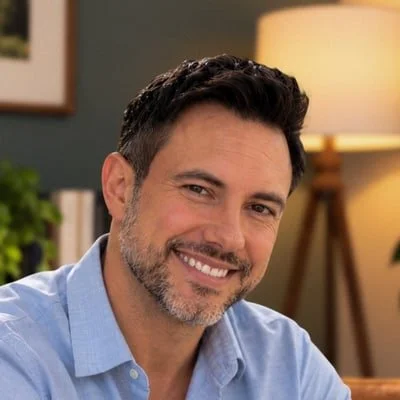
Michael Strand, PsyD
Licensed Psychologist · Austin, Texas
IFS · ACT · Attachment-based therapy
What it is
What is compulsive sexual behavior?
Whether you call it sex and love addiction, compulsive sexual behavior, or something else entirely, what matters is how it affects your life.
Maybe you're drawn to relationships that don't serve you, seeking love, attention, or validation in ways that leave you feeling empty. Maybe compulsive sexual behaviors, pornography use, or infidelity feel impossible to control, despite your best efforts to stop.
You might recognize that your behaviors are causing pain, for yourself or others, but shame and secrecy keep you stuck in the cycle.
If your patterns feel out of control, cause distress, or interfere with your well-being, therapy can help. These behaviors often develop as coping mechanisms, ways to escape emotional pain, regulate difficult emotions, or seek connection in ways that ultimately backfire.
Recognizing the pattern
Signs you might be struggling.
Repeatedly engaging in sexual behaviors that you later regret or feel ashamed of
Using sex, pornography, or romantic relationships to avoid emotional pain or stress
Feeling out of control in your pursuit of love, validation, or sexual gratification
Engaging in secretive behaviors or hiding your actions from a partner
Repeated patterns of toxic or unstable relationships
Seeking intensity in relationships rather than true intimacy
Experiencing distress, guilt, or self-loathing around your behaviors
If any of this resonates with you, it's not because you lack willpower or discipline. These behaviors are symptoms of deeper emotional and neurological patterns that can be rewired through therapy.
An integrative, evidence-based approach to healing
My approach to healing.
Therapy is not a one-size-fits-all process. Your healing journey is unique, and effective treatment should be tailored to your specific challenges, experiences, and goals. My approach is collaborative, neuroscience-informed, and grounded in proven cognitive and behavioral strategies that support real, lasting change.
NEUROSCIENCE
Neuroscience-informed interventions.
Understanding how compulsive patterns affect the brain, and rewiring neural pathways for lasting change.
ATTACHMENT
Attachment-based therapy.
Recognizing how early relational wounds shape your behaviors, and learning new ways to connect securely.
IFS
Internal Family Systems.
Identifying and healing the inner conflicts that drive compulsive behaviors.
ACT
Acceptance and Commitment Therapy.
Moving from avoidance-based coping to a more fulfilling life guided by your values.
CBT AND DBT
Cognitive and behavioral strategies.
CBT and DBT-informed skills, strengthening impulse control, emotional regulation, and healthier relationship patterns.
SOMATIC
Somatic and mindfulness-based practices.
Reconnecting with your body to reduce compulsive urges and build self-trust.
RECOVERY
Relapse prevention and long-term recovery strategies.
Identifying triggers, understanding the function of compulsive behaviors, and developing alternative coping strategies for lasting change.

Coordinated support for lasting change
Healing doesn't happen in isolation.
Therapy can be even more effective when combined with additional resources and support systems. I can coordinate care with:
Other healthcare providers
Psychiatrists, medical professionals, and specialists.
Community and peer support groups
Such as 12-step programs, SMART Recovery, and men's or women's groups.
Self-help resources
Books, guided exercises, and educational materials.
Family and relationship therapy
For those who want to repair and rebuild relationships.
Whether you are looking for individual therapy, integrated support, or a full-spectrum recovery plan, we can tailor an approach that aligns with your needs.
Building a foundation for lasting change
Understanding the triggers behind the cycle.
Overcoming compulsive behaviors isn't just about stopping the cycle. It's about understanding the emotional triggers behind them, developing healthier coping strategies, and creating a life that feels fulfilling without relying on destructive patterns.
Therapy will help you:
Identify and shift deep-rooted patterns that keep you stuck
Understand the emotional function of compulsive behaviors
Build self-awareness to recognize and manage triggers before they escalate
Develop healthy coping mechanisms to replace compulsive urges
Strengthen emotional regulation and resilience for long-term recovery
Why work with me?
4.9 average from 15 reviews on Google. Read them
Doctorate in psychology (PsyD). Licensed in Texas since 2017.
You work with me, from the free call through every session.
A strong background in ACT. Advanced training in IFS.
Out-of-network benefits? I can give you a superbill to submit.
Sessions in the office in Austin, or online across Texas and most U.S. states.
An LGBTQIA+ and BIPOC affirming practice, where all are welcome.

Start with a call.
If you're ready to take the first step toward healing, let's work together to build the fulfilling, connected life you deserve. Get started with a free 15-minute consultation call with Dr. Strand.